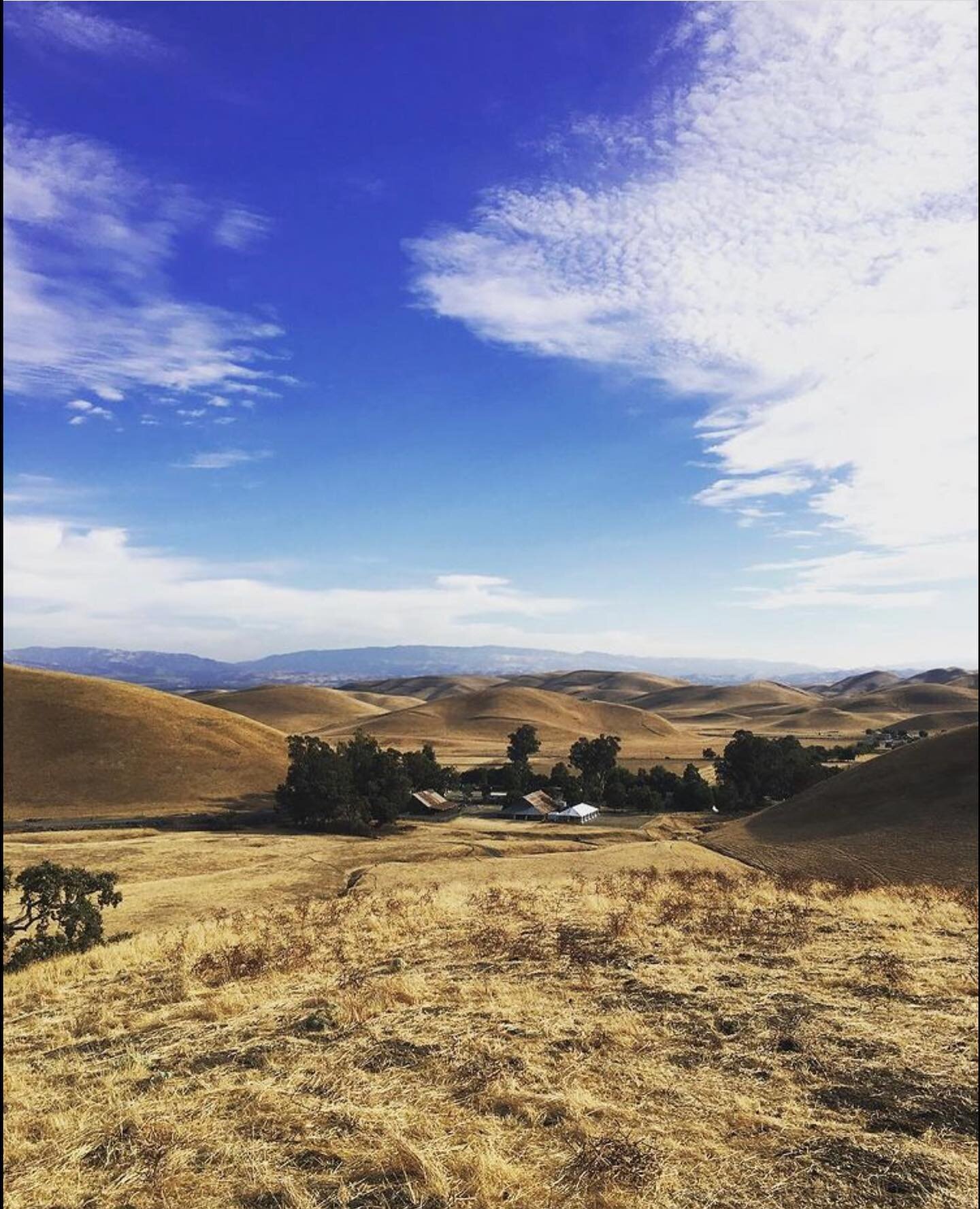

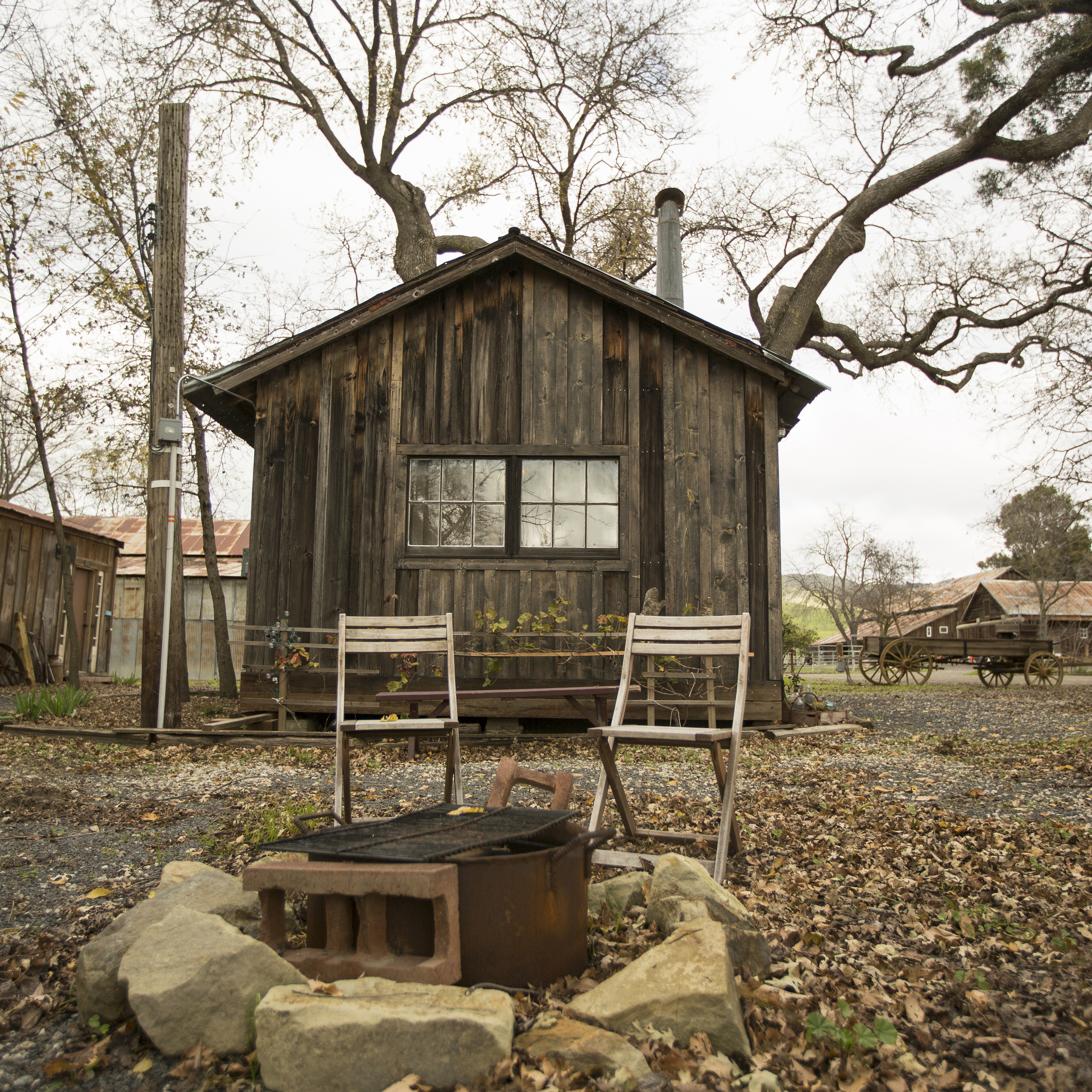
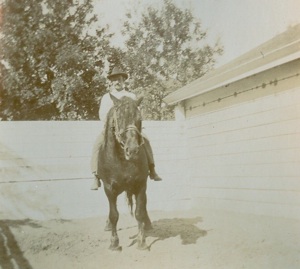
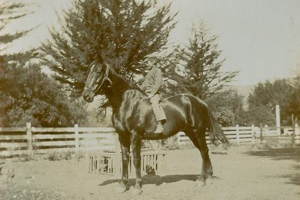
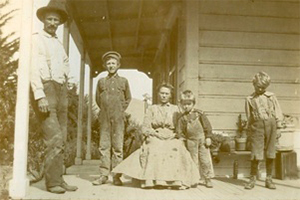
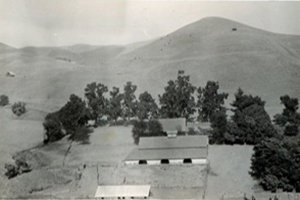
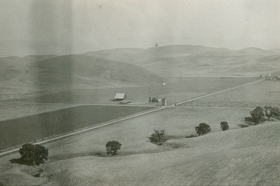

In 1854, J. West Martin, a Regent of the University of California, purchased the land known as Rancho Santa Rita on the eastern edge of the Livermore Valley. He was not acquiring real estate. He was building something intended to outlast him.
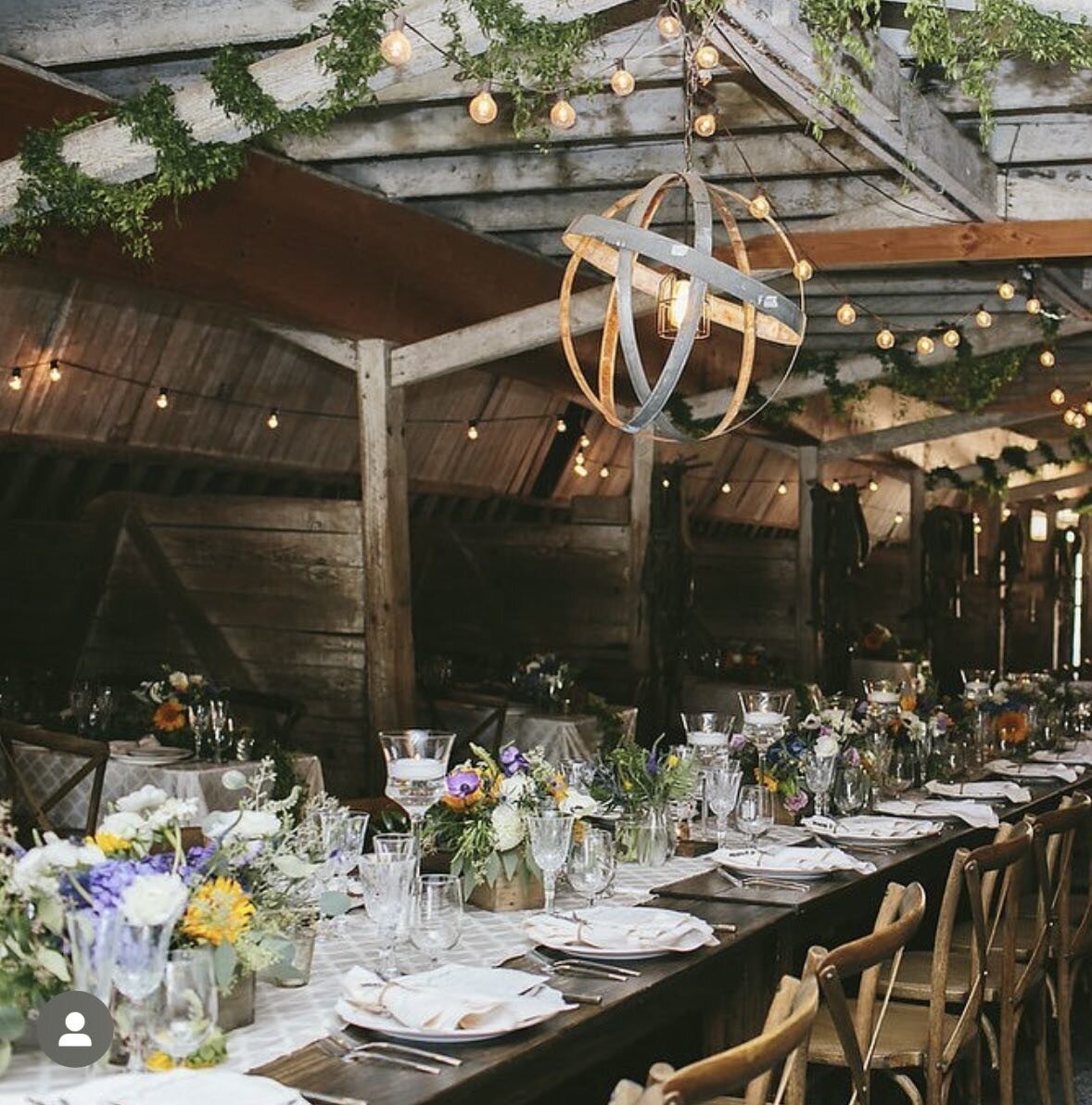
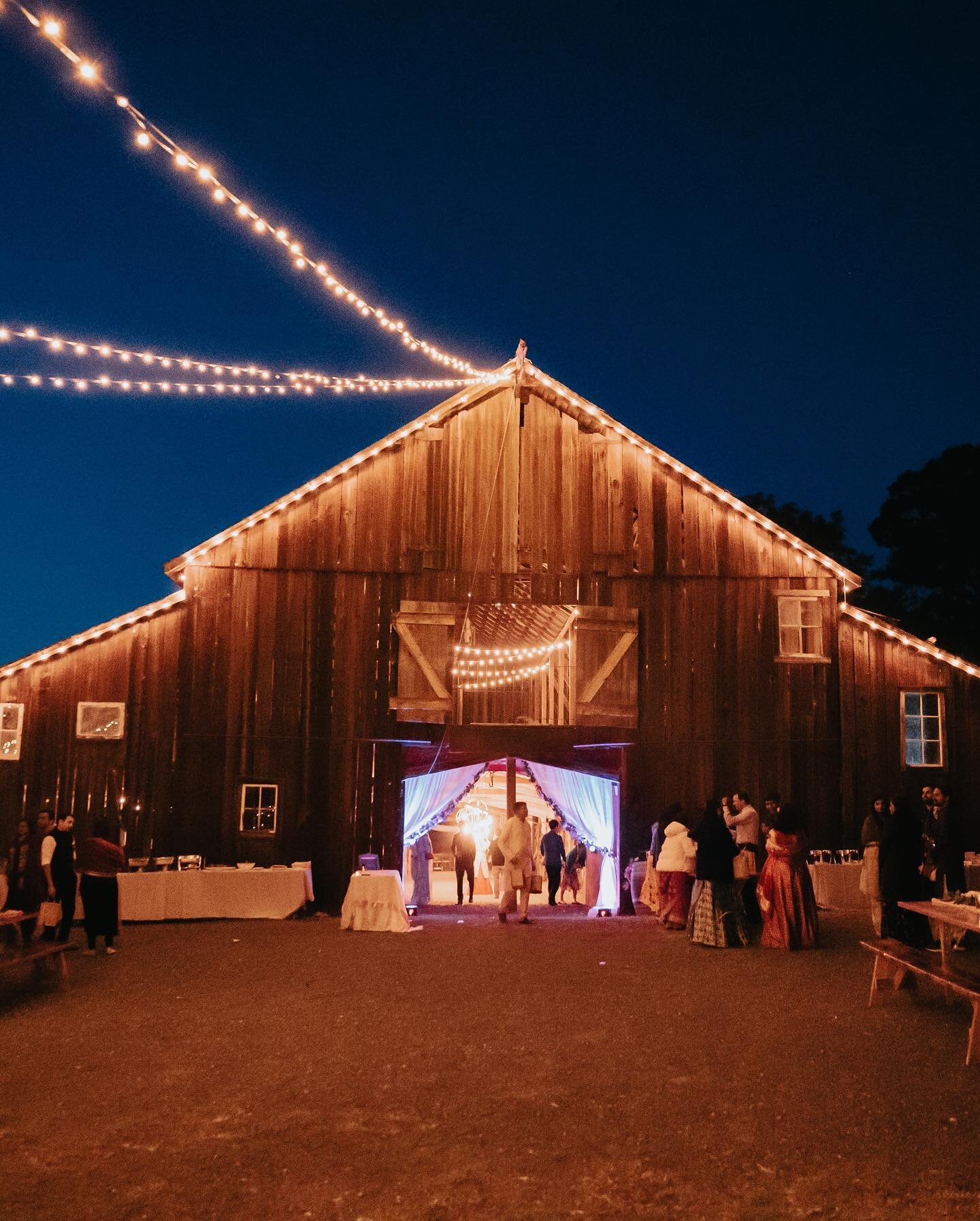
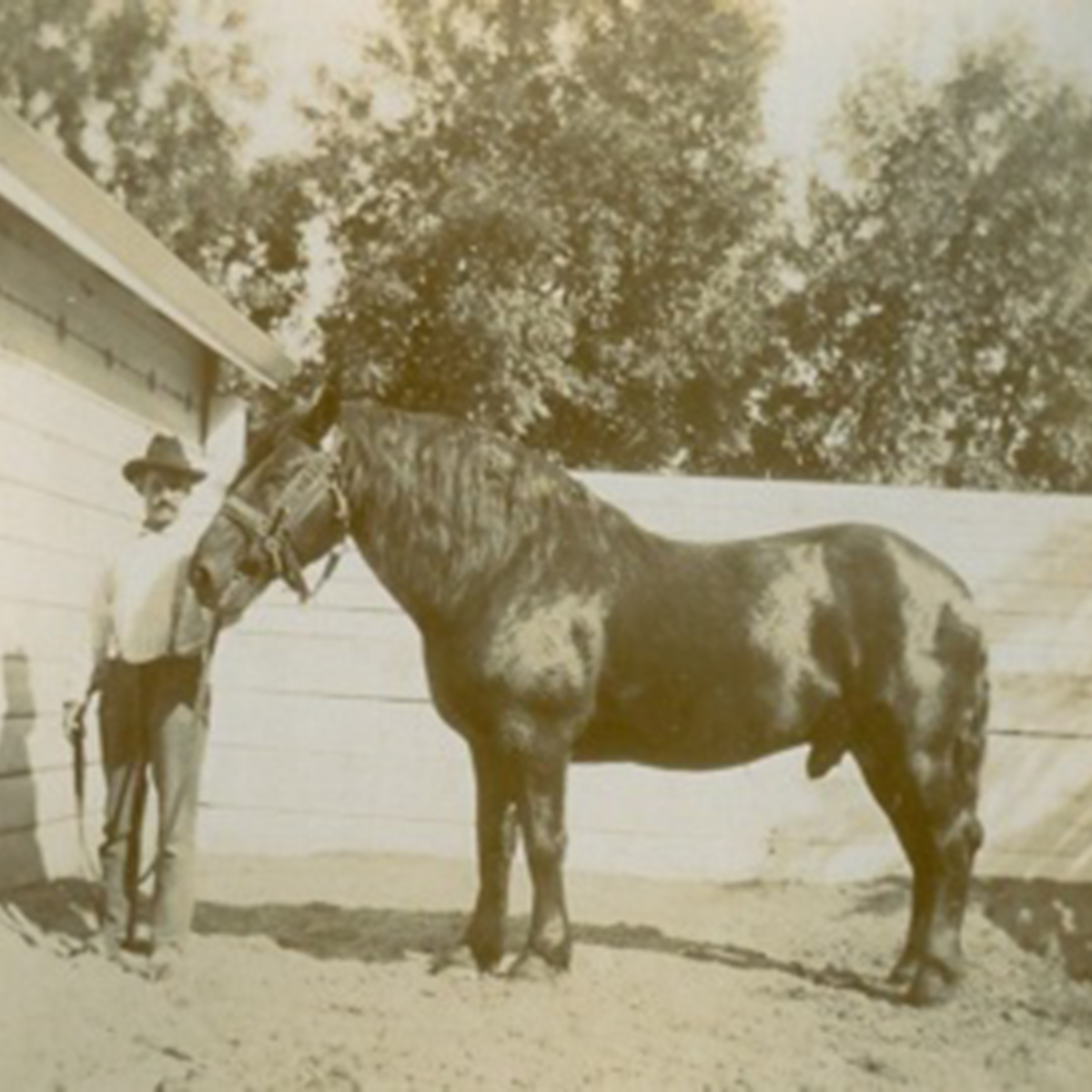
The barn came first. Constructed around 1860 from timber hauled across difficult country, it was built for draft horses at a time when horses meant the difference between a productive season and a failed one. The structure that stands today is the same structure Martin built. One hundred and sixty-five years of California weather, ten decades of use, and it has not moved.
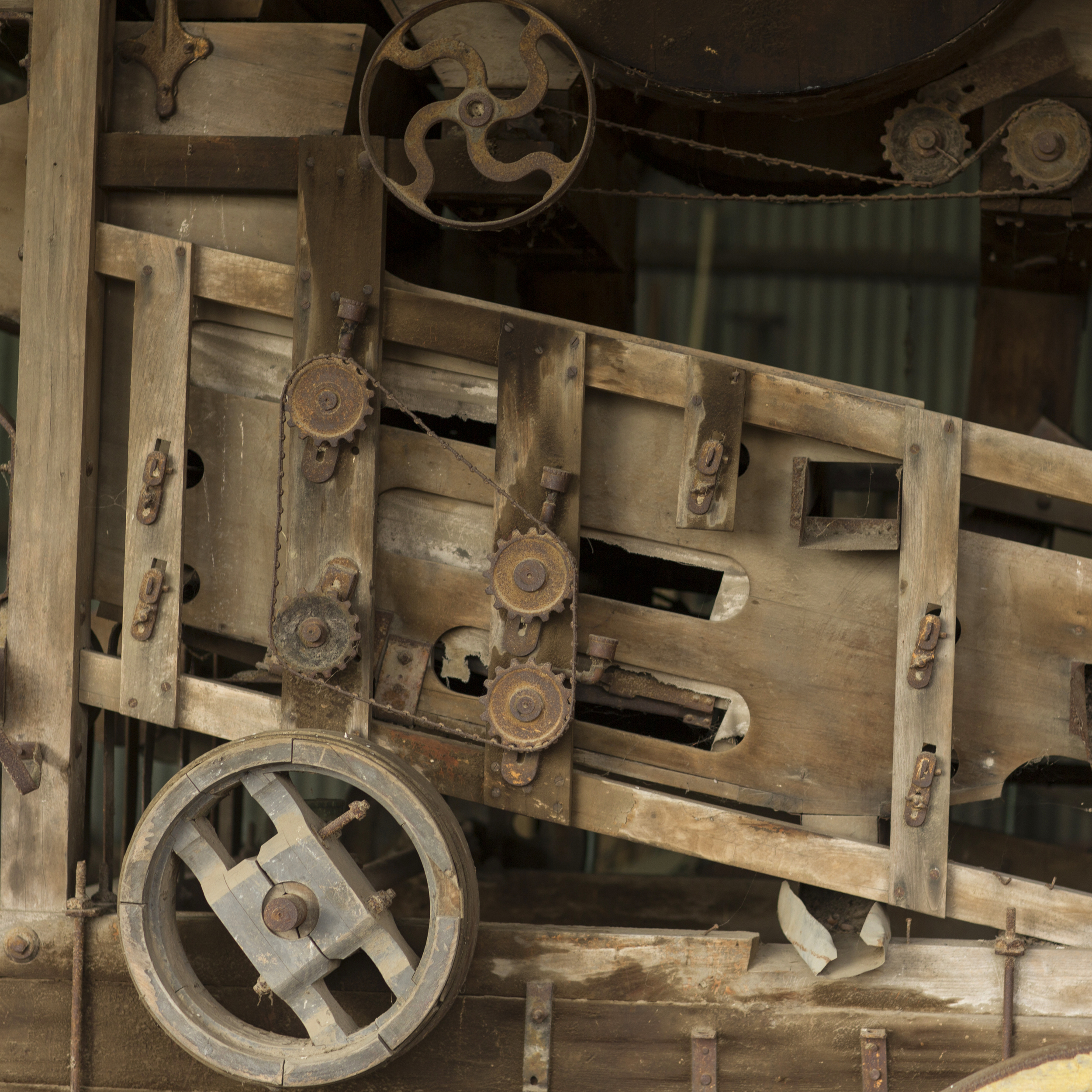
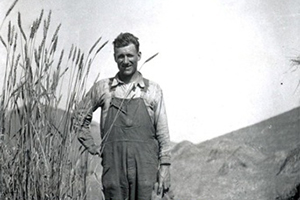
Martin's stepson, Thomas D. Carneal III, grew the operation and the land. He cultivated the wheat varieties that would carry this ranch to international recognition. In 1900, at the Paris World's Fair, Carneal's estate-grown wheat was awarded a gold medal. It remains one of the most specific and demonstrable proofs of agricultural excellence in the history of Northern California.
The entrance road was named Carneal Road at the instruction of the family. Not Reinstein Road. The name was a point of honor, carried forward deliberately.
In 1884, Frederick Reinstein arrived from Denmark. A wheat farmer by heritage, he came with the knowledge of the land and a willingness to commit to it fully. He married Christine, whose family held the ranch, and began what would become the longest chapter in the property's history.
The Reinsteins understood Jackass Canyon the way people understand places they have walked alone at night. The canyon runs along the western edge of the property, fed by a natural spring that has never gone dry. During Prohibition, that spring became an asset of a different kind. The Reinstein family used it, along with the estate's own wheat, to produce whiskey the way they had always produced grain: with precision, with patience, and without drawing unnecessary attention. The bootleg tradition that developed in those years was never careless. It was a continuation of the craft their family had practiced for generations, adapted to the circumstances of the time.
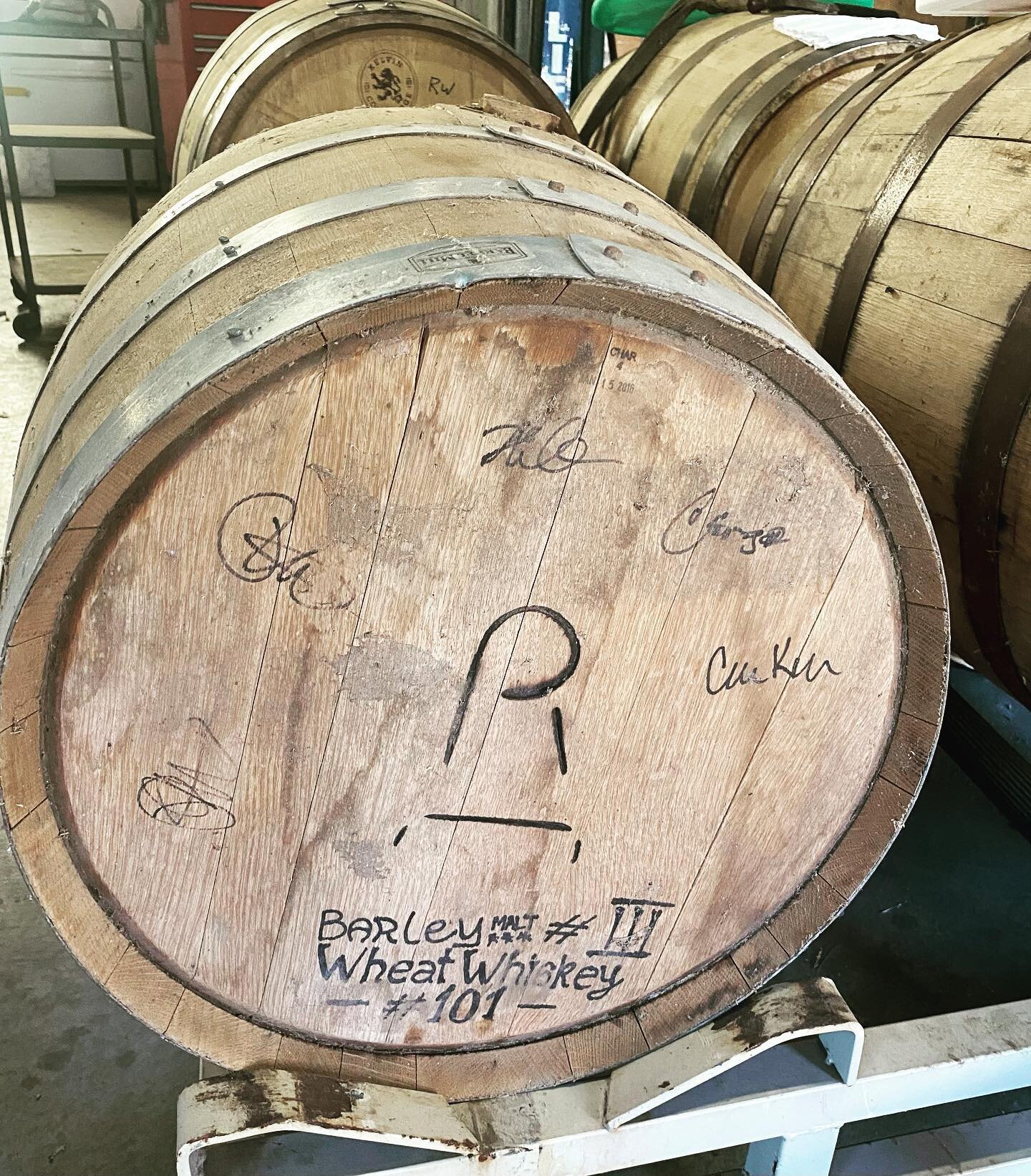
That tradition did not end when Prohibition ended. It became the foundation of a legitimate spirits heritage that exists today as an active federal TTB distillery license, eight barrels of aged wheat whiskey, and a brand provenance that no competitor in the Bay Area craft spirits market can match.
Five generations of the Reinstein family carried this land. Not without difficulty. Not without decisions that had no good answer. But with the consistency that comes from believing a place is worth protecting across time.
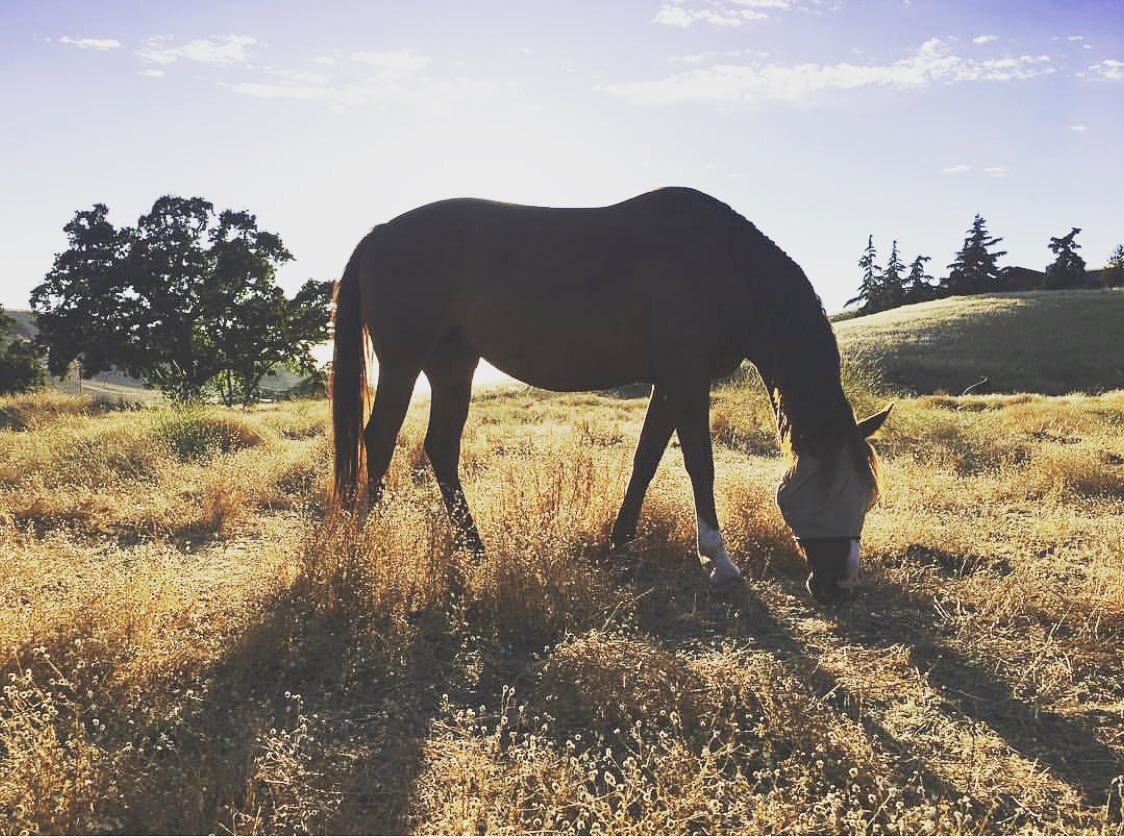
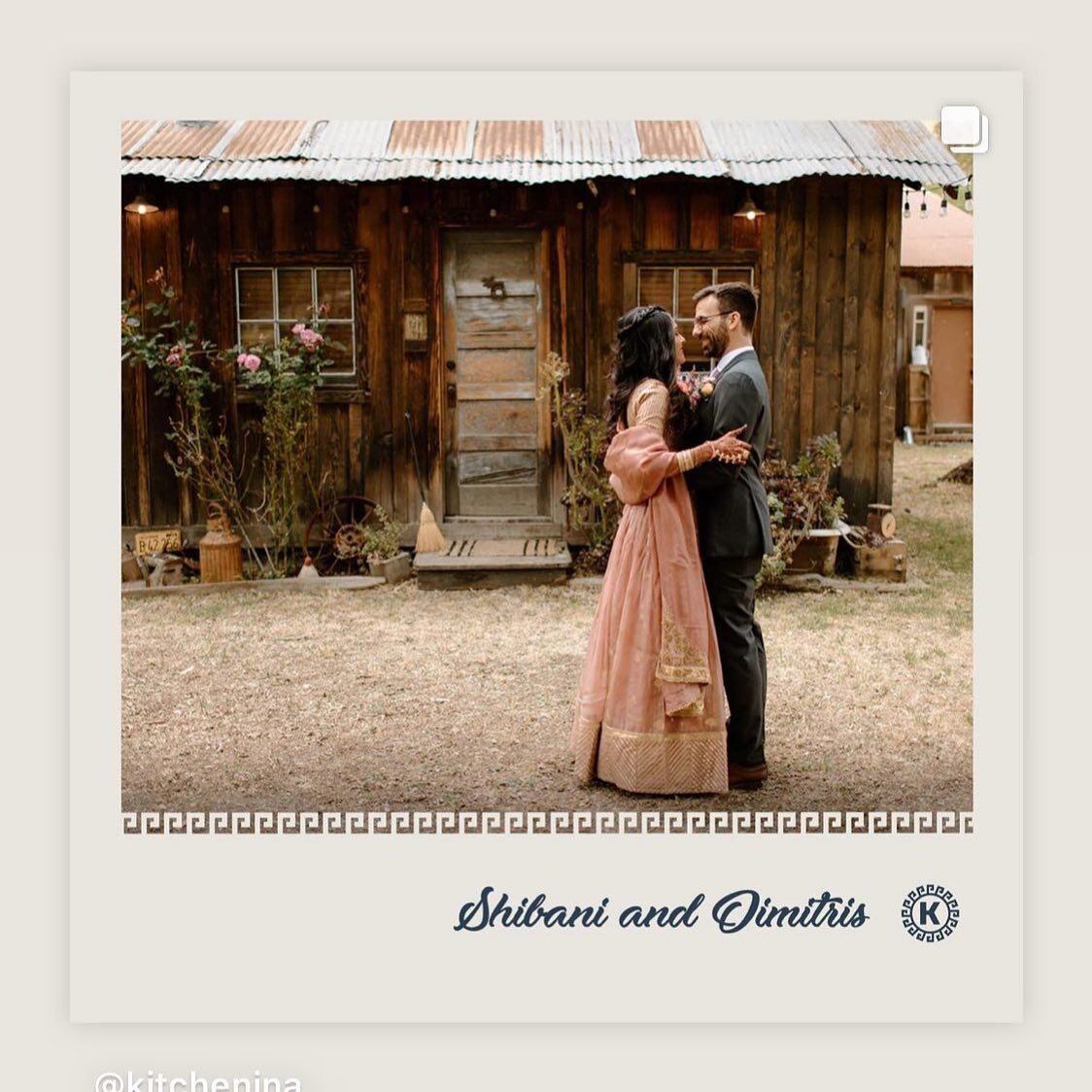
Today, thirty horses board in barns that have held animals since the draft horse era. The 1860 barn hosts weddings and private celebrations the way it once housed the working heart of an agricultural operation. The wheat fields are not planted. The land is resting, waiting for the person who understands what it means to be the next steward of something this old.
That person is the only reason this page exists.